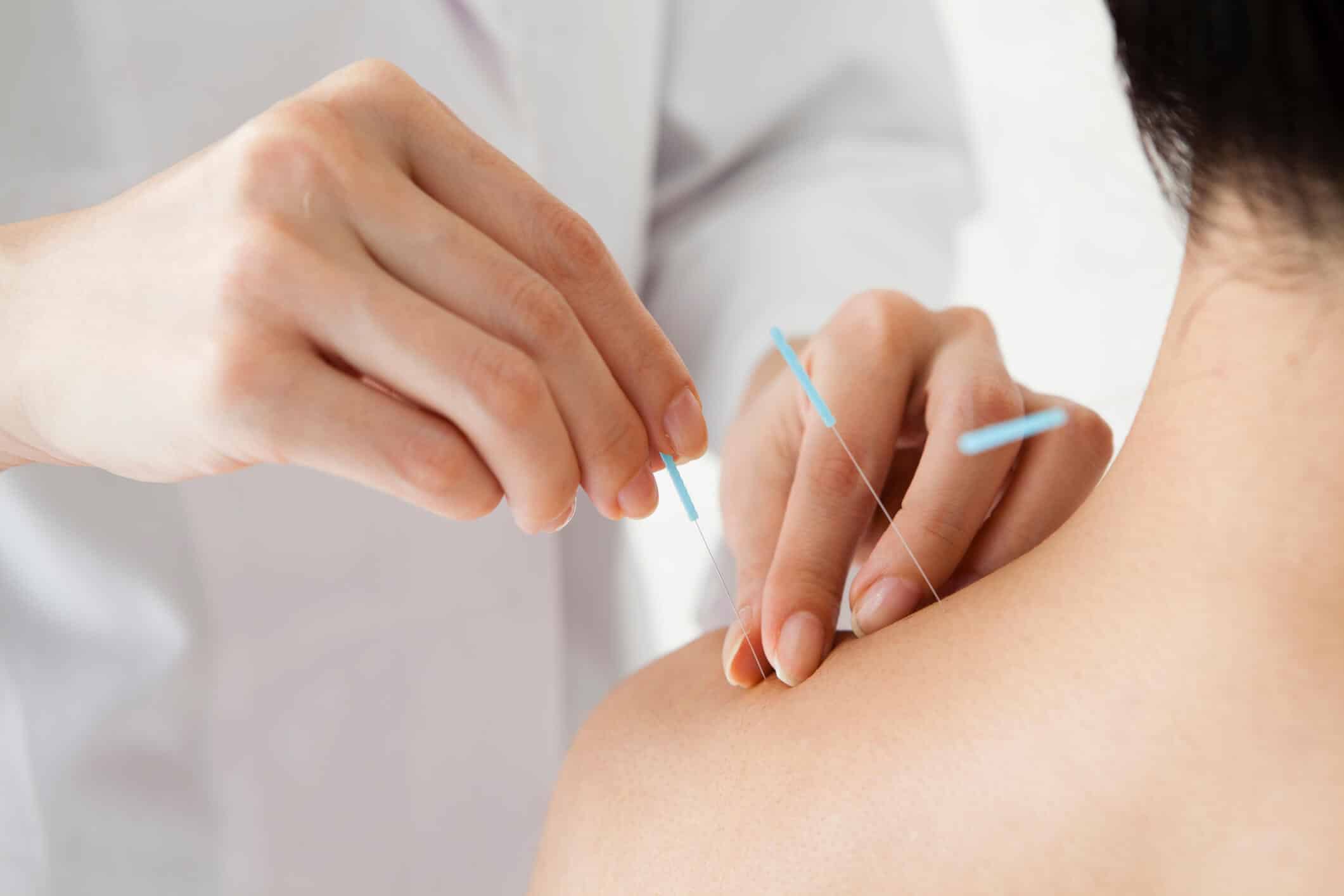
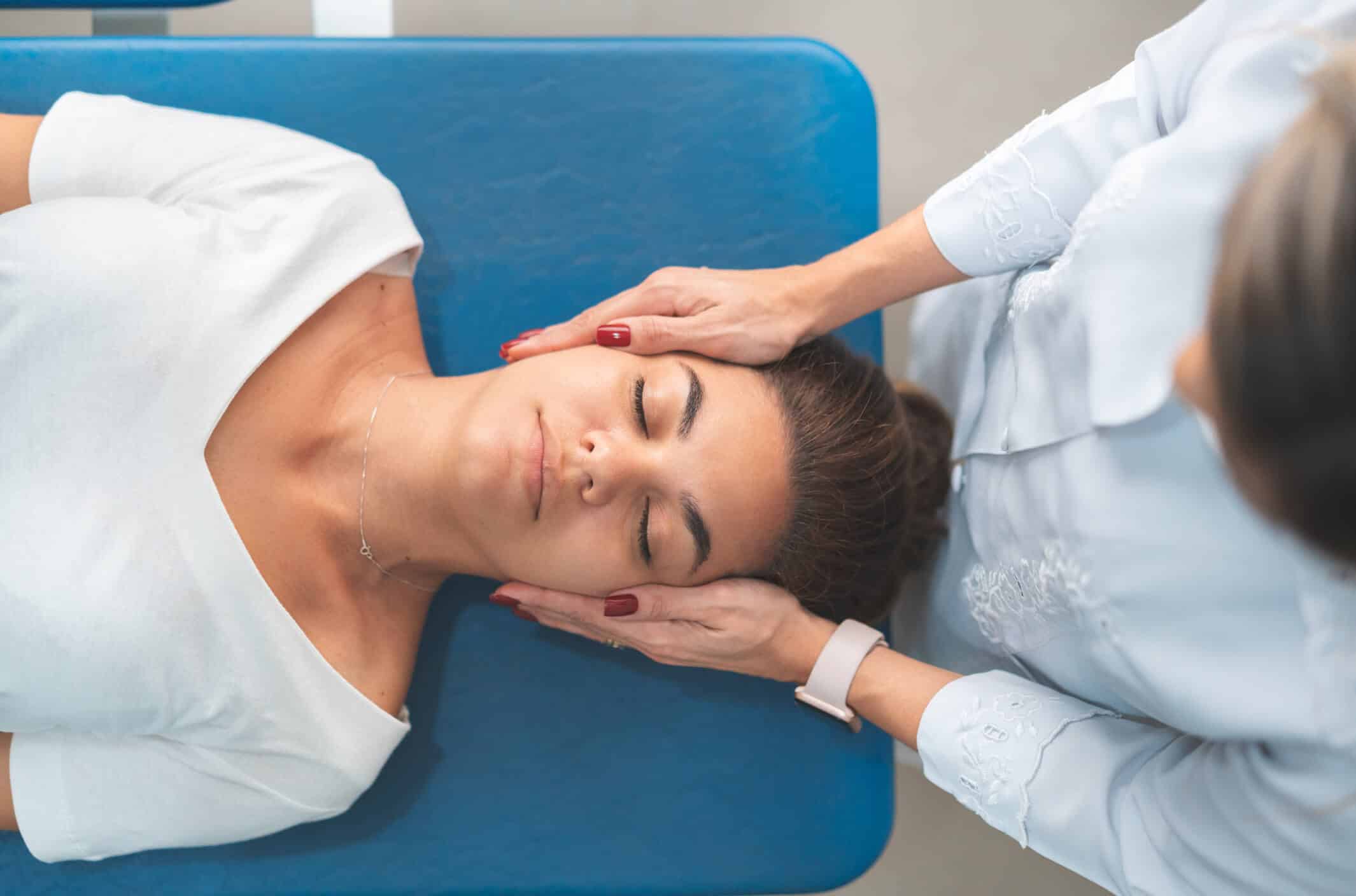
If you’re living in Calgary and dealing with symptoms related to Ehlers-Danlos Syndrome (EDS), hypermobility, or Postural Orthostatic Tachycardia Syndrome (POTS), you’re not alone—and effective physiotherapy options are available. Many people with EDS and POTS experience dizziness, fatigue, brain-fog, pain, and difficulty tolerating daily activities, yet struggle to find clear answers. At our Calgary physiotherapy clinic, we see a growing number of patients with POTS and hypermobility-related dysautonomia, and one of the most important steps is understanding how these conditions work and why they create such widely varying symptoms. The more you understand your own physiology, the easier it becomes to manage POTS confidently and reclaim your daily function. If you would like to learn more keep reading!

Identifying and Managing POTS
By Brian Kitzerow, PT, DPT, OCS, CMPT
Postural Orthostatic Tachycardia Syndrome (POTS) is a complex and often misunderstood condition that can produce a wide range of symptoms—most commonly dizziness, headaches, tremors, disorientation, fatigue, and brain fog. Our understanding of POTS continues to evolve quickly, and so does the way we diagnose and manage it.
There can be many different causes contributing to the presentation of POTS. Multiple studies have demonstrated that some people with POTS experience reduced blood flow to the brain when upright. [1][2][3][4][5][6] Other research shows that not all POTS patients follow the same pattern—some maintain normal cerebral blood flow.[7][8][9] .[10][11][12][13] Others showed reduced intracranial blood flow in patients without high heart rate (tachycardic) or low blood pressure (hypotensive abnormalities).6 These differences highlight something essential: POTS is not one condition, but a group of related conditions with different mechanisms.
Additionally, classifications for types of POTS are continuing to evolve and change. Most researchers support roughly 7 different types with a lot of crossovers between them.[14][15] Because of this heterogeneity, each POTS patient must be treated as an individual with consciously identified treatment protocols and educational materials. Treatments that may be useful for a patient with Secondary POTS (related to Ehlers-Danlos and hypermobility syndromes) may not be useful for Mast-cell Mediated POTS. And what about the patient with elements of both Secondary and Mast-cell Mediated vs the isolated single-type patient. It’s not uncommon to see patients with elements of at least 4 of the different types in a single presentation.
As an educated provider the complexity of POTS causes and presentations can be extremely challenging to understand and design treatments for. But as a patient it is exponentially harder to pick through the confusion. Layer onto this that patients commonly experience these symptoms for much of their life and identifying which symptoms are relevant abnormalities from those that are normal experiences to the general population is very challenging. Many people with POTS don’t realize that things like purple feet in the shower, needing to sit to towel off, morning fasting tendencies, or brief dizzy spells are not typical experiences.
Because there is such a wide-range of causes, presentations and deficits we will only be discussing self-care techniques generally. Not all of these will be relevant to all POTS patients and some might conceivably worsen POTS on occasion. Keep in mind that not all of these tips might help everyone. Therefore, it can be very helpful to get in with an educated provider to discuss self-care options that are right for you and how your particular POTS experience presents.
How many people have POTS?
We still don’t know the true prevalence.
- In the early 2010s, estimates suggested a minimum prevalence of 0.17% (170 per 100,000), while acknowledging significant under-recognition. [16]
- By the 2020s, expert reviews commonly cited 0.2% to 1% of the population, reflecting both better diagnosis and a probable true increase—especially after COVID-19. [17]
Regardless of the exact number, the trend is clear: POTS is far more common than previously recognized, and improving diagnostic recognition is essential.
Who Should Diagnose and Treat POTS?
There is no single specialty that “owns” the treatment and diagnosis of POTS.
POTS is multi-system, much like hypermobility syndromes, and doesn’t fit neatly into cardiology, neurology, rheumatology, or internal medicine.
A 2022 survey by Cooperrider et al. found that:
- 81% of POTS diagnoses were made by neurologists,
- followed by cardiologists, primary care physicians, and others. [18]
However, in real clinical practice, any MD who has knowledge and interest in dysautonomia can diagnose POTS. Geneticists, rheumatologists, and even naturopathic physicians often identify cases.
There are currently no studies comparing which profession is best positioned to treat POTS. Many patients receive medication through their PCP or cardiologist, while a large percentage are referred to physiotherapy.
Physiotherapy is ideally placed to treat POTS because the most effective interventions—graded exercise, autonomic retraining, breathing pattern correction, functional pacing, and strength conditioning—are intrinsically rehabilitative. While cardiologists and neurologists diagnose POTS, physiotherapists provide the core therapy that restores orthostatic tolerance, increases stroke volume, improves autonomic stability, and allows patients to return to meaningful activity.
Watch Your Heart Rate
It is common for people with POTS to see a large rise in heart rate upon standing. Diagnostic criteria typically include:
- an increase of ≥30 bpm within 10 minutes of upright posture. [19]
Most people without POTS experience only a 10–20 bpm increase. For reference, a standing heart rate of 120 bpm is similar to going for a light jog.
If your heart rate rises from 65 bpm lying down to 120 bpm standing, you are likely experiencing a POTS episode.
A lot of people with POTS have learned to function in this range. Many aren’t even aware that they are having unreasonably high heart rates. Checking your HR or having your biometric devices set to give you alarms if it exceeds certain parameters can be very helpful for heading off POTS episodes early, before they impact your day.[20] Apple watches and Garmin can be expensive, but a simple pulse oximeter can be purchased off Amazon for under $30.
What Can You Do to Improve Blood Flow to the Brain?
Not all strategies help every subtype, but most people benefit from a combination of positioning, hydration, salt intake, compression, and exercise.
1. Positioning
Most POTS subtypes show reduced blood flow to the brain when upright.
Getting the head and heart on the same level improves perfusion.
Lying flat for short breaks throughout the day can give your brain the oxygen boost it needs.
2. Salt and Hydration
Increasing blood volume helps the cardiovascular system function more effectively in POTS. Hydration + electrolytes can improve cerebral circulation.
Important notes:
- Avoid this strategy if you have hypertension, particularly in hyperadrenergic or mast-cell–related POTS.
- Avoid drinking large volumes of water without salt—this can dilute electrolytes and lower blood pressure.
- Salt dosing should be guided by your physician, as excessive electrolytes can affect heart function and may not be appropriate for everyone
3. Compression
Compression helps push blood upward, improving brain perfusion.
Options include:
- compression socks (20–30 mmHg or ideally 30–40 mmHg if tolerated)
- leggings
- specialized garments like Intelliskin, SKINS, or Supacore
Even inexpensive socks can make a meaningful difference.
4. Exercise
Your body always maintains a certain level of compression on itself, from both mass and elastic components. A cool term for this is tensegrity. The passive tensegrity in hypermobile patients is lower than the normal population and this can contribute to POTS. While passive tensegrity isn’t something you have much control over, active tensegrity is in your muscle mass and tone (the amount of tension a muscle rests at). And that you can control.
Building muscle improves:
- vascular responsiveness
- venous return
- tolerance to upright activities!
Start at a level that does NOT trigger POTS.
One thing that is commonly missed by younger physios, if walking provokes symptoms, standing exercise will likely make things worse.
A typical progression:
- supine (on back, stomach, or side)
- semi-recumbent
- sitting
- standing
There is also evidence that causes us to suspect that the cardiac benefits from exercise, heart stroke volume and blood volume, can lower POTS symptoms.[21] We also suspect that we can modulate sympathetic responses including autonomic nervous system and vagal responses through careful exercise progressions.
Other interventions that we are watching and implementing on a more limited basis due to the low number of studies and unclear efficacy include Baroreflex conditioning, breath training for hypocapnia, time restricted caloric windows, cooling protocols and anti-inflammatory lifestyles.
Living with POTS can feel overwhelming, but it becomes far more manageable once you understand your specific patterns, triggers, and physiology. There is no single pathway through POTS, but there are consistent strategies that help many people regain stability, confidence, and control over their day. With education, pacing, the right exercise progression, and support from clinicians who understand dysautonomia, most patients make meaningful improvements in function and quality of life. You do not have to navigate POTS alone—there are effective tools, and there is a way forward.
References
[1] Ocon AJ, Medow MS, Taneja I, Clarke D, Stewart JM. Decreased upright cerebral blood flow and cerebral autoregulation in normocapnic postural tachycardia syndrome. Am J Physiol Heart Circ Physiol. 2009;297(2):H664-H673. doi:10.1152/ajpheart.00138.2009
[2]Medow MS, Del Pozzi AT, Messer ZR, Terilli C, Stewart JM. Altered oscillatory cerebral blood flow velocity and autoregulation in postural tachycardia syndrome. Front Physiol. 2014;5:234. doi:10.3389/fphys.2014.00234
[3] Del Pozzi AT, Schwartz CE, Tewari D, Medow MS, Stewart JM. Reduced cerebral blood flow with orthostasis precedes hypocapnic hyperpnea, sympathetic activation, and postural tachycardia syndrome. Hypertension. 2014;63(6):1302-1308. doi:10.1161/HYPERTENSIONAHA.113.02824
[4] Novak V, Novak P, Spies JM, Low PA. Hypocapnia and cerebral hypoperfusion in orthostatic intolerance. Stroke. 1998;29(9):1876-1881. doi:10.1161/01.str.29.9.1876
[5] Novak P. Cerebral blood flow, heart rate, and blood pressure patterns during the tilt test in common orthostatic syndromes. J Neurol Sci. 2016;362:41-46. doi:10.1016/j.jns.2016.01.035
[6] van Campen CM, Rowe PC, Visser FC. Cerebral blood flow is reduced in ME/CFS during head-up tilt testing even in the absence of hypotension or tachycardia: a quantitative, controlled study using Doppler echography. Clin Neurophysiol Pract. 2020;5:50-58. doi:10.1016/j.cnp.2019.11.003
[7] Stewart JM, Montgomery LD, Glover JL, Medow MS. Changes in regional blood volume and cerebral blood flow during orthostasis in postural tachycardia syndrome. Am J Physiol Heart Circ Physiol. 2004;287(3):H1319-H1327. doi:10.1152/ajpheart.01138.2003
[8] Stewart JM, Medow MS, Messer Z, et al. Postural hyperventilation: a frequent and overlooked cause of orthostatic intolerance. Am J Physiol Heart Circ Physiol. 2012;302(1):H166-H173. doi:10.1152/ajpheart.00330.2011
[9] Jordan J, Shannon JR, Grogan E, et al. Contrasting effects of vasovagal syncope and POTS on cerebral blood flow. Circulation. 2003;108(3):284-289. doi:10.1161/01.CIR.0000079173.07574.D3
[10] Stewart JM, Montgomery LD, Glover JL, Medow MS. Changes in regional blood volume and cerebral blood flow during orthostasis in postural tachycardia syndrome. Am J Physiol Heart Circ Physiol. 2004;287(3):H1319-H1327. doi:10.1152/ajpheart.01138.2003
[11] Stewart JM, Medow MS, Messer Z, et al. Postural hyperventilation: a frequent and overlooked cause of orthostatic intolerance. Am J Physiol Heart Circ Physiol. 2012;302(1):H166-H173. doi:10.1152/ajpheart.00330.2011
[12] Jordan J, Shannon JR, Grogan E, et al. Contrasting effects of vasovagal syncope and POTS on cerebral blood flow. Circulation. 2003;108(3):284-289. doi:10.1161/01.CIR.0000079173.07574.D3
[13] Novak V, Novak P, Spies JM, Low PA. Hypocapnia and cerebral hypoperfusion in orthostatic intolerance. Stroke. 1998;29(9):1876-1881. doi:10.1161/01.STR.29.9.1876
[14] Bryarly M, Phillips LT, Fu Q, Vernino S, Levine BD. Postural Orthostatic Tachycardia Syndrome: JACC Focus Seminar. J Am Coll Cardiol. 2019;73(10):1207-1228. doi:10.1016/j.jacc.2018.11.059
[15] Olshansky B, Sullivan RM, Inayat F, et al. Postural Orthostatic Tachycardia Syndrome: A Critical Assessment. Prog Cardiovasc Dis. 2020;63(3):263-273. doi:10.1016/j.pcad.2020.01.003
[16] Mathias CJ, Low DA, Iodice V, et al. Postural tachycardia syndrome—current experience and concepts. Nat Rev Neurol. 2012;8(1):22-34. doi:10.1038/nrneurol.2011.187
[17] Vernino S, Bourne KM, Stiles LE, et al. Postural orthostatic tachycardia syndrome: state of the science and clinical care from a 2019 National Institutes of Health Expert Consensus Meeting. Neurology. 2021;97(16):e160-e171. doi:10.1212/WNL.0000000000012759
[18] Cooperrider J, Kriegler J, Yunus S, Wilson R. A survey-based study examining differences in perception of postural orthostatic tachycardia syndrome between patients and primary care physicians. Cureus. 2022;14(11):e31531. doi:10.7759/cureus.31531
[19] Raj SR, Fedorowski A, Sheldon RS. Diagnosis and management of postural orthostatic tachycardia syndrome. CMAJ. 2022;194(10):E378-E385. doi:10.1503/cmaj.211373
[20] Finkelstein J, Gabriel N, et al. A wearable solution for managing postural orthostatic tachycardia syndrome: patient perspectives on real-time heart rate monitoring and activity pacing. J Med Internet Res. 2025;27(2):eXXXXX. doi:10.2196/XXXXX
[21] Fu Q, Vangundy TB, Shibata S, Auchus RJ, Williams GH, Levine BD. Exercise in the postural orthostatic tachycardia syndrome. J Am Heart Assoc. 2014;3(1):e000067. doi:10.1161/JAHA.113.000067
About the author
Brian Kitzerow, PT, DPT, OCS, CMPT, is a new physiotherapist in Calgary with specialized expertise in hypermobility, Ehlers-Danlos Syndrome (EDS), dysautonomia/POTS, and complex pain conditions. With more than 15 years of clinical experience and advanced orthopedic credentials, Brian integrates biomechanics, pain science, and nervous-system regulation to help patients build stability, strength, and long-term resilience. He is dedicated to providing clear education, evidence-based treatment, and supportive care for individuals who often feel misunderstood in traditional medical settings.