

As Calgary runners, many of us spend winter on treadmills, skis, or taking a break altogether. When the snow melts and the paths along the river and NW Calgary trails finally clear, it is tempting to jump straight back into spring training. At Strive Physiotherapy, we regularly see people develop shin splints, IT band syndrome, and Achilles tendinopathy in those first few weeks back outside. With a bit of planning and the right support, your return to running may feel smoother and more enjoyable.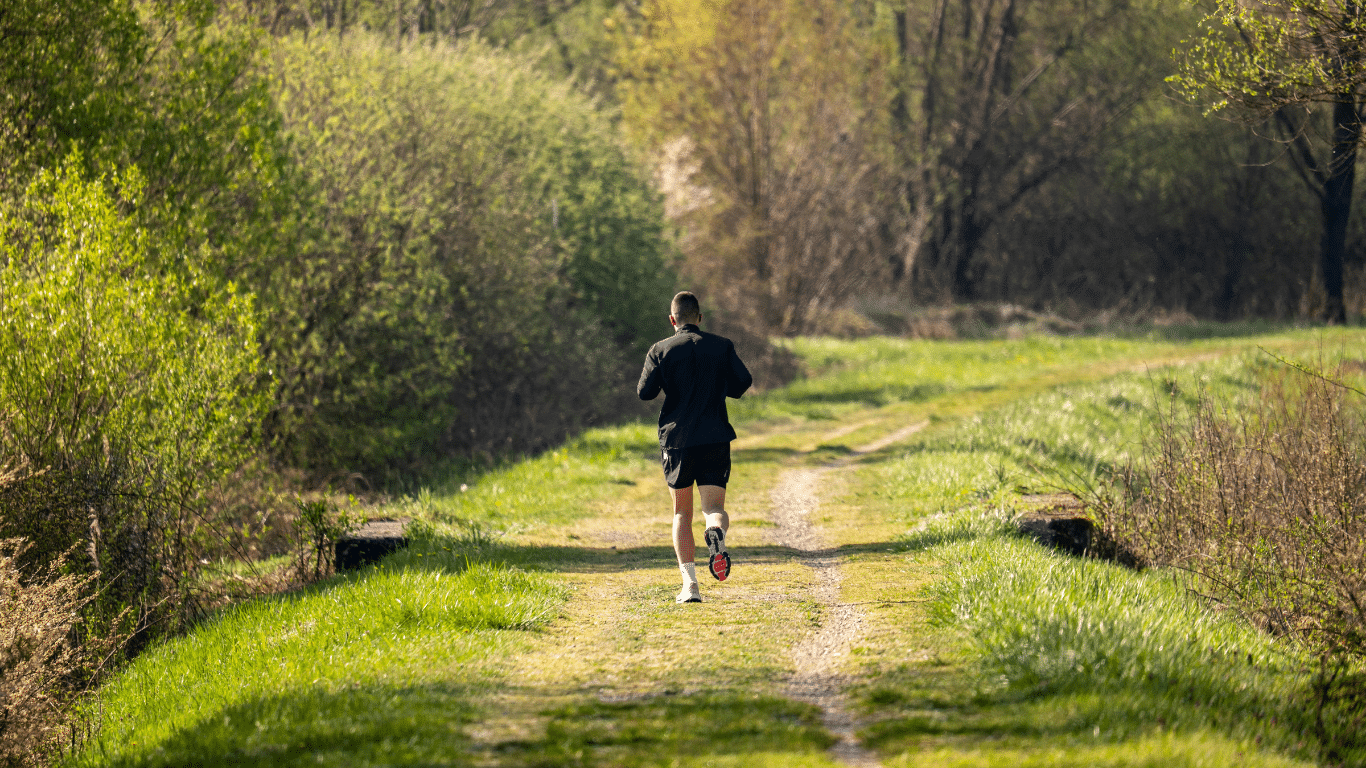
Why spring running in Calgary often leads to flare-ups
Moving from softer indoor surfaces to concrete, uneven paths, ice patches, and hills around communities like Trinity Hills or Hanson Ranch can suddenly increase stress through your legs. Cold mornings, slips on leftover snow, and big jumps in distance or speed all add up. This “too much, too soon” change in load is a major reason we see running injuries in Calgary.
At our clinic, the most common spring running issues include:
- Shin splints (medial tibial stress syndrome): aching or burning pain along the inner border of the shin, especially at the start or end of a run.
- IT band syndrome: sharp or achy pain on the outer side of the knee or hip, often worse on downhills.
- Achilles tendinopathy: stiffness and pain at the back of the heel or lower calf, usually worse with the first steps in the morning or when you start running.
Step 1: Build a safe return to running program
Our team often talks about “load management” – how much stress your body is handling from running, work, and daily life. A gradual, structured return to running program may help your muscles, tendons, and joints adapt without getting overwhelmed.
When we design a plan for Calgary runners, we usually suggest:
- Start with run-walk intervals if you have taken more than 4–6 weeks off. For example, 1–2 minutes running, followed by 1–2 minutes walking for 20–30 minutes.
- Increase only one variable at a time: distance, pace, or hills – not all three in the same week.
- Follow the “easy week” rule: after 2–3 weeks of progress, schedule a lighter week to let your body catch up.
- Rotate routes between flatter paths (like the river pathways) and hillier NW Calgary routes to spread out the strain.
We also pay close attention to jumping and power exercises. Injury prevention programs that include plyometric (jumping) exercises are associated with a substantially lower rate of ACL injuries compared with warm-ups that do not include them.2 When used appropriately, elements like small hops, skips, and bounds may help your legs handle impact better, which can support knee control and running resilience.1,2
Step 2: Strength training to protect shins, knees, and Achilles
Targeted strength work may be one of the most effective ways to reduce your risk of running injuries in Calgary. We often recommend 2–3 short strength sessions per week alongside your runs. Programs that focus on core stability are linked with better control of knee position during landing and jumping tasks, which may help protect the knee from harmful positions.1
For shin splints, IT band pain, and Achilles issues, we commonly include:
- Calf raises (bent and straight knee) to support the Achilles tendon and lower leg.
- Hip strengthening (bridges, side-lying leg lifts, mini squats) to support the iliotibial band and improve control of the thigh and knee.
- Core exercises (planks, dead bugs, bird-dogs) to help maintain better posture and alignment while you run.1
- Plyometric progressions like gentle hops and jump landings once your base strength is solid, introduced gradually.2
Our physiotherapists can individualize these exercises based on your goals, whether you are training for a local Chinook running event, a 5K, or a marathon.
Step 3: Practical tips to avoid common spring running injuries
To help you avoid shin splints, IT band syndrome, and Achilles flare-ups, we usually suggest:
- Respect the cold: Warmer afternoons and evenings may feel easier on your muscles and tendons than very early, icy runs.
- Check your footwear: Worn-out shoes may contribute to extra strain on your shins and Achilles. A Calgary running store can help assess your shoes and gait.
- Include a dynamic warm-up: Leg swings, gentle lunges, and a short walk before you run may help your body transition from sitting at work to moving.
- Cool down with a walk for 5–10 minutes instead of stopping suddenly.
- Watch for early warning signs like pain that appears at the same point in every run, lingering soreness the next morning, or swelling around the knee or Achilles.
If you are already dealing with joint pain, past sports injuries, or back or neck discomfort from desk work, adjusting your plan before ramping up your mileage may prevent a setback.
How physiotherapy in North West Calgary can support your return to running
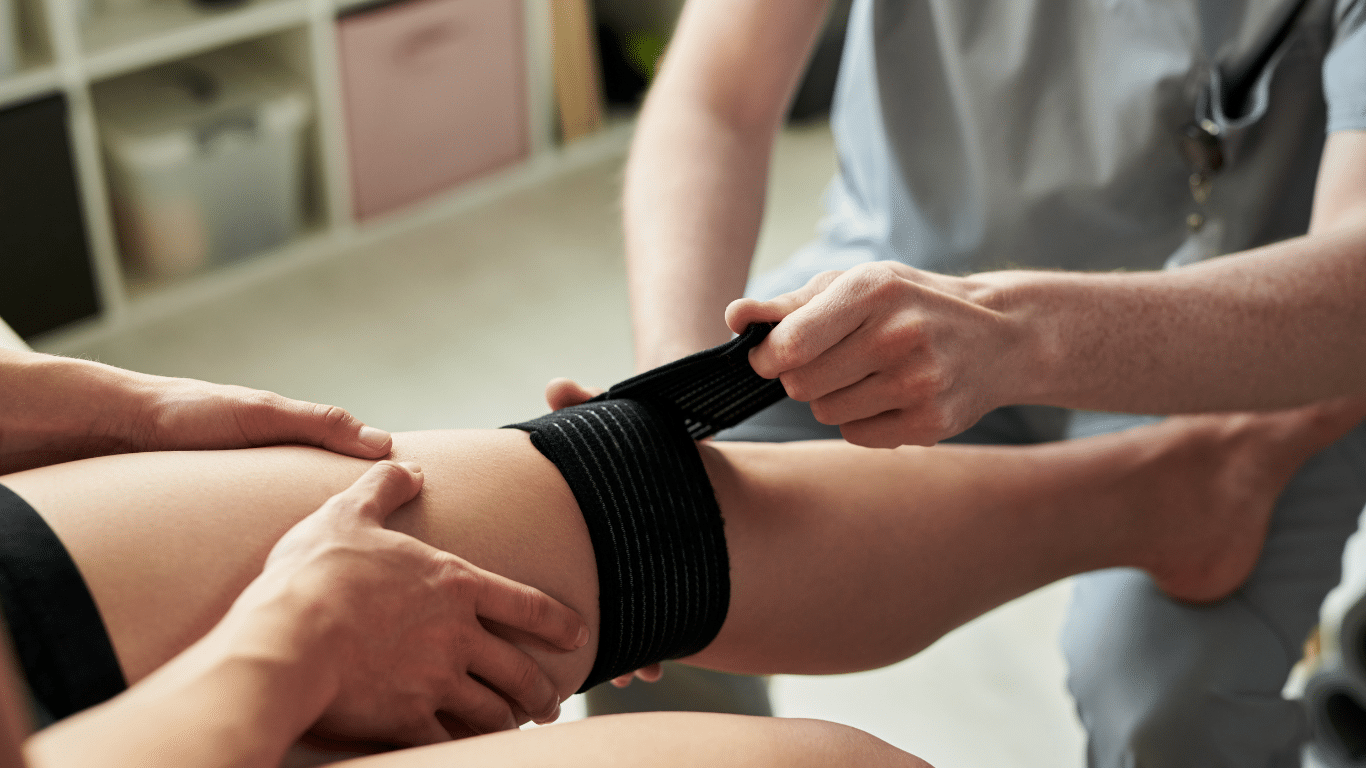
At Strive Physiotherapy, we see runners of all levels across NW Calgary who want personalized guidance, not a one-size-fits-all template. When you come to our sports rehab clinic in Calgary NW, we may:
- Listen carefully to your running history, goals, and current symptoms.
- Complete a running assessment that can include gait analysis, strength, flexibility, and balance testing.
- Identify specific contributors to your shin splints, IT band syndrome, Achilles tendinopathy, or runner’s knee.
- Develop a step-by-step return to running program that fits your weekly schedule and fitness level.
- Use hands-on manual therapy, individualized physiotherapy exercises, and education to support your recovery.
For many runners, this combination may help improve movement patterns, support better knee mechanics, and encourage safer landings during running and jumping.1,2
When should a runner see a physiotherapist in Calgary?
We often recommend booking an assessment if:
- You notice pain in your shins, outer knee, or Achilles that lasts longer than 1–2 weeks.
- Your symptoms force you to change your stride, limp, or avoid hills and stairs.
- You are returning from an MVA or other injury and want guidance to run safely again.
- You are training for an event and want to minimize your risk of running injuries in Calgary with a structured plan.
Seeing us early may help you stay active while we modify your training, rather than needing to stop running completely.
FAQ: Returning to running in Calgary after winter
How fast should I increase my mileage in spring?
Many Calgary runners do well with gradual increases of about one small change per week. Instead of jumping straight from treadmill runs to long outdoor distances, we usually suggest slowly extending one run at a time and adding hills or speed only after your legs have adjusted.
What is the difference between normal soreness and an injury?
Normal muscle soreness feels dull, affects both sides fairly evenly, and usually settles within 24–48 hours. Injury-type pain is often sharper, sits in a specific spot (like the inner shin or outer knee), and may get worse the longer you run or come back sooner and sooner in each run.
Can strength and plyometric exercises really help prevent running injuries?
Strength and power training that targets your hips, knees, and ankles is associated with better control of how your knee moves and bends during landing and cutting tasks.1 Injury prevention programs that include plyometrics are also linked with a substantially lower risk of ACL injuries compared with warm-ups that do not include them.2 When we adapt these ideas to running, they may help your body tolerate impact and reduce your risk of certain injuries.
Is treadmill running safer than outdoor running?
Neither surface is automatically better. Treadmills are usually flatter and more predictable, while Calgary’s outdoor routes can include hills, uneven surfaces, and weather changes. The key is how quickly you change between them, your strength base, footwear, and overall weekly training load.
Do I have to stop running if I already have shin splints or IT band pain?
Not always. In many cases, we can adjust your distance, pace, or surfaces, add specific exercises, and use hands-on treatment so you can keep some level of running while symptoms settle. This is very individual, so an assessment helps us decide what is safest for you.
Discover support for your return to spring running
If you are planning your spring return to running and want a personalized plan to help avoid shin splints, IT band pain, and Achilles flare-ups, our team at Strive Physiotherapy in Calgary is here to support you. Book an Appointment
References
- Wang D, et al. Effects of Exercise-Based ACL Injury Prevention Interventions on Knee Motion in Athletes: A Systematic Review and Bayesian Network Meta-Analysis. J Orthop Sports Phys Ther. 2025. doi:10.2519/jospt.2024.12720
- Al Attar WSA, et al. Injury prevention programs that include plyometric exercises reduce the incidence of anterior cruciate ligament injury: a systematic review of cluster randomised trials. J Physiother. 2022. doi:10.1016/j.jphys.2022.09.001
- Inclan PM, et al. Validity of Research Based on Public Data in Sports Medicine: A Quantitative Assessment of Anterior Cruciate Ligament Injuries in the National Football League. Am J Sports Med. 2022. doi:10.1177/03635465211015435