By Brian Kitzerow, PT, DPT, OCS, CMPT


If you’re living in Calgary and dealing with symptoms related to Ehlers-Danlos Syndrome (EDS), hypermobility, or Postural Orthostatic Tachycardia Syndrome (POTS), you’re not alone—and effective physiotherapy options are available. Many people with EDS and POTS experience dizziness, fatigue, brain-fog, pain, and difficulty tolerating daily activities, yet struggle to find clear answers.


At our Calgary physiotherapy clinic, we see a growing number of patients with POTS and hypermobility-related dysautonomia, and one of the most important steps is understanding how these conditions work and why they create such widely varying symptoms. The more you understand your own physiology, the easier it becomes to manage POTS confidently and reclaim your daily function. If you would like to learn more keep reading!


Postural Orthostatic Tachycardia Syndrome (POTS) is a complex and often misunderstood condition that can produce a wide range of symptoms—most commonly dizziness, headaches, tremors, disorientation, fatigue, and brain fog. Our understanding of POTS continues to evolve quickly, and so does the way we diagnose and manage it. 


There can be many different causes contributing to the presentation of POTS.  Multiple studies have demonstrated that some people with POTS experience reduced blood flow to the brain when upright.¹²³⁴⁵⁶ Other research shows that not all POTS patients follow the same pattern—some maintain normal cerebral blood flow.⁷⁸⁹¹⁰¹¹¹²¹³  Others showed reduced intracranial blood flow in patients without high heart rate (tachycardic) or low blood pressure (hypotensive abnormalities).  These differences highlight something essential: POTS is not one condition, but a group of related conditions with different mechanisms.  


Additionally, classifications for types of POTS are continuing to evolve and change.  Most researchers support roughly 7 different types with a lot of crossovers between them. Because of this heterogeneity, each POTS patient must be treated as an individual with consciously identified treatment protocols and educational materials.  Treatments that may be useful for a patient with Secondary POTS (related to Ehlers-Danlos and hypermobility syndromes) may not be useful for Mast-cell Mediated POTS.  And what about the patient with elements of both Secondary and Mast-cell Mediated vs the isolated single-type patient.  It’s not uncommon to see patients with elements of at least 4 of the different types in a single presentation.    


As an educated provider the complexity of POTS causes and presentations can be extremely challenging to understand and design treatments for.  But as a patient it is exponentially harder to pick through the confusion.  Layer onto this that patients commonly experience these symptoms for much of their life and identifying which symptoms are relevant abnormalities from those that are normal experiences to the general population is very challenging.  Many people with POTS don’t realize that things like purple feet in the shower, needing to sit to towel off, morning fasting tendencies, or brief dizzy spells are not typical experiences. 

Because there is such a wide-range of causes, presentations and deficits we will only be discussing self-care techniques generally.  Not all of these will be relevant to all POTS patients and some might conceivably worsen POTS on occasion.  Keep in mind that not all of these tips might help everyone.  Therefore, it can be very helpful to get in with an educated provider to discuss self-care options that are right for you and how your particular POTS experience presents.   

How many people have POTS?   


We still don’t know the true prevalence. 


  • In the early 2010s, estimates suggested a minimum prevalence of 0.17% (170 per 100,000), while acknowledging significant under-recognition.¹⁶
  • By the 2020s, expert reviews commonly cited 0.2% to 1% of the population, reflecting both better diagnosis and a probable true increase—especially after COVID-19.¹⁷


Regardless of the exact number, the trend is clear: POTS is far more common than previously recognized, and improving diagnostic recognition is essential. 


Who Should Diagnose and Treat POTS? 


There is no single specialty that “owns”  the treatment and diagnosis of POTS. 


POTS is multi-system, much like hypermobility syndromes, and doesn’t fit neatly into cardiology, neurology, rheumatology, or internal medicine. 


A 2022 survey by Cooperrider et al. found that: 


  • 81% of POTS diagnoses were made by neurologists, 
  • followed by cardiologists, primary care physicians, and others.¹⁸


However, in real clinical practice, any MD who has knowledge and interest in dysautonomia can diagnose POTS. Geneticists, rheumatologists, and even naturopathic physicians often identify cases. 


There are currently no studies comparing which profession is best positioned to treat POTS. Many patients receive medication through their PCP or cardiologist, while a large percentage are referred to physiotherapy. 


Physiotherapy is ideally placed to treat POTS because the most effective interventions—graded exercise, autonomic retraining, breathing pattern correction, functional pacing, and strength conditioning—are intrinsically rehabilitative. While cardiologists and neurologists diagnose POTS, physiotherapists provide the core therapy that restores orthostatic tolerance, increases stroke volume, improves autonomic stability, and allows patients to return to meaningful activity. 

Watch Your Heart Rate 


It is common for people with POTS to see a large rise in heart rate upon standing. Diagnostic criteria typically include: 


  • an increase of ≥30 bpm within 10 minutes of upright posture. ¹⁹


Most people without POTS experience only a 10–20 bpm increase. For reference, a standing heart rate of 120 bpm is similar to going for a light jog. 


If your heart rate rises from 65 bpm lying down to 120 bpm standing, you are likely experiencing a POTS episode. 


A lot of people with POTS have learned to function in this range.  Many aren’t even aware that they are having unreasonably high heart rates.   Checking your HR or having your biometric devices set to give you alarms if it exceeds certain parameters can be very helpful for heading off POTS episodes early, before they impact your day.²⁰ Apple watches and Garmin can be expensive, but a simple pulse oximeter can be purchased off Amazon for under $30.   

What Can You Do to Improve Blood Flow to the Brain? 


Not all strategies help every subtype, but most people benefit from a combination of positioning, hydration, salt intake, compression, and exercise. 


  1. Positioning


Most POTS subtypes show reduced blood flow to the brain when upright.
Getting the head and heart on the same level improves perfusion. 


Lying flat for short breaks throughout the day can give your brain the oxygen boost it needs. 


  1. Salt and Hydration


Increasing blood volume helps the cardiovascular system function more effectively in POTS. Hydration + electrolytes can improve cerebral circulation. 


Important notes: 


  • Avoid this strategy if you have hypertension, particularly in hyperadrenergic or mast-cell–related POTS. 
  • Avoid drinking large volumes of water without salt—this can dilute electrolytes and lower blood pressure. 
  • Salt dosing should be guided by your physician, as excessive electrolytes can affect heart function and may not be appropriate for everyone 


  1. Compression


Compression helps push blood upward, improving brain perfusion. 


Options include: 


  • compression socks (20–30 mmHg or ideally 30–40 mmHg if tolerated) 
  • leggings 
  • specialized garments like Intelliskin, SKINS, or Supacore 


Even inexpensive socks can make a meaningful difference. 


  1. Exercise


Your body always maintains a certain level of compression on itself, from both mass and elastic components.  A cool term for this is tensegrity.  The passive tensegrity in hypermobile patients is lower than the normal population and this can contribute to POTS.  While passive tensegrity isn’t something you have much control over, active tensegrity is in your muscle mass and tone (the amount of tension a muscle rests at).  And that you can control.   


Building muscle improves: 


  • vascular responsiveness 
  • venous return 
  • tolerance to upright activities! 


Start at a level that does NOT trigger POTS.

One thing that is commonly missed by younger physios, if walking provokes symptoms, standing exercise will likely make things worse. 


A typical progression: 


  1. supine (on back, stomach, or side) 
  2. semi-recumbent 
  3. sitting 
  4. standing 


There is also evidence that causes us to suspect that the cardiac benefits from exercise, heart stroke volume and blood volume, can lower POTS symptoms.²¹ We also suspect that we can modulate sympathetic responses including autonomic nervous system and vagal responses through careful exercise progressions. 


Other interventions that we are watching and implementing on a more limited basis due to the low number of studies and unclear efficacy include Baroreflex conditioning, breath training for hypocapnia, time restricted caloric windows, cooling protocols and anti-inflammatory lifestyles.  


Living with POTS can feel overwhelming, but it becomes far more manageable once you understand your specific patterns, triggers, and physiology. There is no single pathway through POTS, but there are consistent strategies that help many people regain stability, confidence, and control over their day. With education, pacing, the right exercise progression, and support from clinicians who understand dysautonomia, most patients make meaningful improvements in function and quality of life. You do not have to navigate POTS alone—there are effective tools, and there is a way forward. 


References


1. Ocon AJ, Medow MS, Taneja I, Clarke D, Stewart JM. Decreased upright cerebral blood flow and cerebral autoregulation in normocapnic postural tachycardia syndrome. Am J Physiol Heart Circ Physiol. 2009;297(2):H664-H673. doi:10.1152/ajpheart.00138.20092. Medow MS, Del Pozzi AT, Messer ZR, Terilli C, Stewart JM. Altered oscillatory cerebral blood flow velocity and autoregulation in postural tachycardia syndrome. Front Physiol. 2014;5:234. doi:10.3389/fphys.2014.002343. Del Pozzi AT, Schwartz CE, Tewari D, Medow MS, Stewart JM. Reduced cerebral blood flow with orthostasis precedes hypocapnic hyperpnea, sympathetic activation, and postural tachycardia syndrome. Hypertension. 2014;63(6):1302-1308. doi:10.1161/HYPERTENSIONAHA.113.02824
4. Novak V, Novak P, Spies JM, Low PA. Hypocapnia and cerebral hypoperfusion in orthostatic intolerance. Stroke. 1998;29(9):1876-1881. doi:10.1161/01.str.29.9.1876
5. Novak P. Cerebral blood flow, heart rate, and blood pressure patterns during the tilt test in common orthostatic syndromes. J Neurol Sci. 2016;362:41-46. doi:10.1016/j.jns.2016.01.035
6. van Campen CM, Rowe PC, Visser FC. Cerebral blood flow is reduced in ME/CFS during head-up tilt testing even in the absence of hypotension or tachycardia: a quantitative, controlled study using Doppler echography. Clin Neurophysiol Pract. 2020;5:50-58. doi:10.1016/j.cnp.2019.11.003
7. Stewart JM, Montgomery LD, Glover JL, Medow MS. Changes in regional blood volume and cerebral blood flow during orthostasis in postural tachycardia syndrome. Am J Physiol Heart Circ Physiol. 2004;287(3):H1319-H1327. doi:10.1152/ajpheart.01138.2003
8. Stewart JM, Medow MS, Messer Z, et al. Postural hyperventilation: a frequent and overlooked cause of orthostatic intolerance. Am J Physiol Heart Circ Physiol. 2012;302(1):H166-H173. doi:10.1152/ajpheart.00330.2011
9. Jordan J, Shannon JR, Grogan E, et al. Contrasting effects of vasovagal syncope and POTS on cerebral blood flow. Circulation. 2003;108(3):284-289. doi:10.1161/01.CIR.0000079173.07574.D3
10. Stewart JM, Montgomery LD, Glover JL, Medow MS. Changes in regional blood volume and cerebral blood flow during orthostasis in postural tachycardia syndrome. Am J Physiol Heart Circ Physiol. 2004;287(3):H1319-H1327. doi:10.1152/ajpheart.01138.2003
11. Stewart JM, Medow MS, Messer Z, et al. Postural hyperventilation: a frequent and overlooked cause of orthostatic intolerance. Am J Physiol Heart Circ Physiol. 2012;302(1):H166-H173. doi:10.1152/ajpheart.00330.2011
12. Jordan J, Shannon JR, Grogan E, et al. Contrasting effects of vasovagal syncope and POTS on cerebral blood flow. Circulation. 2003;108(3):284-289. doi:10.1161/01.CIR.0000079173.07574.D3
13. Novak V, Novak P, Spies JM, Low PA. Hypocapnia and cerebral hypoperfusion in orthostatic intolerance. Stroke. 1998;29(9):1876-1881. doi:10.1161/01.STR.29.9.1876
14. Bryarly M, Phillips LT, Fu Q, Vernino S, Levine BD. Postural Orthostatic Tachycardia Syndrome: JACC Focus Seminar. J Am Coll Cardiol. 2019;73(10):1207-1228. doi:10.1016/j.jacc.2018.11.059
15. Olshansky B, Sullivan RM, Inayat F, et al. Postural Orthostatic Tachycardia Syndrome: A Critical Assessment. Prog Cardiovasc Dis. 2020;63(3):263-273. doi:10.1016/j.pcad.2020.01.003
16. Mathias CJ, Low DA, Iodice V, et al. Postural tachycardia syndrome—current experience and concepts. Nat Rev Neurol. 2012;8(1):22-34. doi:10.1038/nrneurol.2011.187
17. Vernino S, Bourne KM, Stiles LE, et al. Postural orthostatic tachycardia syndrome: state of the science and clinical care from a 2019 National Institutes of Health Expert Consensus Meeting. Neurology. 2021;97(16):e160-e171. doi:10.1212/WNL.0000000000012759
18. Cooperrider J, Kriegler J, Yunus S, Wilson R. A survey-based study examining differences in perception of postural orthostatic tachycardia syndrome between patients and primary care physicians. Cureus. 2022;14(11):e31531. doi:10.7759/cureus.31531
19. Raj SR, Fedorowski A, Sheldon RS. Diagnosis and management of postural orthostatic tachycardia syndrome. CMAJ. 2022;194(10):E378-E385. doi:10.1503/cmaj.211373
20. Finkelstein J, Gabriel N, et al. A wearable solution for managing postural orthostatic tachycardia syndrome: patient perspectives on real-time heart rate monitoring and activity pacing. J Med Internet Res. 2025;27(2):eXXXXX. doi:10.2196/XXXXX
21. Fu Q, Vangundy TB, Shibata S, Auchus RJ, Williams GH, Levine BD. Exercise in the postural orthostatic tachycardia syndrome. J Am Heart Assoc. 2014;3(1):e000067. doi:10.1161/JAHA.113.000067


About the Author:

Brian Kitzerow, hypermobility expert, is photoshopped riding a zebra on a safari.

Brian Kitzerow, PT, DPT, OCS, CMPT, is a new physiotherapist in Calgary with specialized expertise in hypermobility, Ehlers-Danlos Syndrome (EDS), dysautonomia/POTS, and complex pain conditions. With more than 15 years of clinical experience and advanced orthopedic credentials, Brian integrates biomechanics, pain science, and nervous-system regulation to help patients build stability, strength, and long-term resilience. He is dedicated to providing clear education, evidence-based treatment, and supportive care for individuals who often feel misunderstood in traditional medical settings.

By Brian Kitzerow, PT, DPT, OCS, CMPT


Pain in hypermobility is real, explainable, and treatable. Highly flexible people can sometimes have a large amount of pain but have a very difficult time finding care and support to treat their discomfort. Their doctors might not be able to identify any causes for the pain and this can lead to feelings of alienation and inadequacy. This isn’t necessarily because there isn’t anything wrong with them, but more commonly it is because medical clinics don’t have the same tools our research labs have to identify dysfunctions that cause the pain.  X-rays and MRIs are excellent for major structural injuries, but they cannot detect dysfunction at the level of nociceptors, small fibers, proprioceptors, or subtle instability.


Likewise, pain in hypermobility isn’t simple—and it isn’t easily communicated. Like the experience of seeing color, pain is highly individualized. Two people can look at the same object and agree that it’s red, yet their internal experience of ‘redness’ is shaped by their biology, past experiences, and neural wiring.


Additionally, pain in hypermobility arises from many different pathways, not just “loose joints.” Contributing factors may include:


  • Immune reactivity or autoimmune overlap
  • Increased muscle, tendon, and ligament strain
  • Central sensitization
  • Dysautonomia / POTS
  • Small fiber neuropathy
  • Peripheral nerve strain
  • Brainstem and spinal cord stress
  • Sleep disruption
  • Hormonal cycling
  • Dietary triggers
  • Psychological stress


That’s a big list and it can be very difficult to negotiate that experience on your own.


Hypermobility vs Hypermobile Spectrum Disorders


Hypermobility alone is not a disorder. Hypermobile joints are a normal variation of the human population. Like Yin and Yang you cannot define a person as stiff without having the contrast of loose. The evolution of individuals with “looser” musculoskeletal systems brings with it certain hypothetical advantages that have maintained the genetic expression in our population. But with these advantages come risks.


Likewise, unlike disorders caused by single-gene mutations, hypermobility appears to arise from complex interactions among multiple genes.  A characteristic of genetic diseases is that a defect in a single or small number of genes can cause the function of the body to fall off the rails. In Marfan’s it is FBN-1.[i]  In Vascular EDS it is COL3A1.[ii]  Classical EDS is associated with COL5A1 or COL5A2.[iii]  Hypermobility, in contrast, is suspected to arise from interactions among multiple genes, although the exact genes remain unidentified. This suggests an evolutionary trend towards specific physical attributes rather than an accidental mutation.


We still do not have a strong consensus on how prevalent hypermobility is in the population.  Opinions vary wildly with Blajwajs reporting that the number lies between 2 and 57% of the population being hypermobile.[iv]  That’s a massive range with a great deal of uncertainty.


Some studies have looked at hypermobility in segments of our population[v][vi], but clarity on the entire population remains undefined. A synthesis of publications in the last 10 years on adults with a Beighton scale of >4/9 suggests a consensus of 16-22% of the population.[vii]  An estimated one fifth of the population does not suggest an accidental genetic disease.


Hypermobility becomes a dysfunction rather than a normal presentation of a population when symptoms appear.  Pain, dislocation, challenges with stability, fatigue, headache, etc.  Again, the causes of symptoms developing are not homogenous across hypermobile populations and can arise from a multitude of causes and interactions.


Pain presentation models like Scott Dye’s Envelope of Function[i] or Michael Turvey’s Tensegrity hypothesis[ii] are both deep dives, but highly powerful models for understanding when and why hypermobility raises the risks for transitioning from the healthy athlete to developing debilitating symptoms.


A Slice of Pain Generators


Ok, you’ve suffered through all the heavy theory. It’s time to get into relevant advice.  Let’s look at four common causes of pain in hypermobility and what you can do about it. Keep in mind that most of these are models and are subject to change as our understanding evolves.


Micro-Instability


Hypermobile joints have challenges “locking-in” to stable end-ranges. To compensate for this, the muscles in hypermobile individuals work harder to maintain neutral postures for sitting and standing. You might have noticed that it is easier for you to maintain standing positions by shifting around rather than standing at attention stiffly like other people can. This places more strain on the muscle and tendon structures and is more energy intensive.


Muscle strength is essential to compensate for this lack of stability. Deconditioning brings pain. Bracing can also be helpful.


Proprioception


We don’t know exactly why, but people with hypermobility have more challenges with proprioception. The decrease in end-range joint stability is almost certainly a contributor, but there are likely other causes that are being investigated as well.


We do know that when the brain has challenges identifying joint position it responds by increasing the protective tone that muscles rest at. This leads to stiffness, spasms and trigger points, even when you are at rest.


Helping your brain to know where your joints are can reduce these experiences. Weighted blankets, braces, tape, compressive clothing can all reduce energy expenditures and improve comfort.  Somewhat counter-intuitively, exercise is extremely helpful to reduce this muscle stiffness. The more fit your muscles are the better they can maintain both joint stability and neurosensory tone.


Tendon and Ligament Strain


Building on the first two factors, tendons and ligaments can experience more strain in a hypermobile system. The decreased end range stability and proprioception results in larger amplitude sway and delayed stabilization responses that increase strain on the tissues anchoring muscles and joints. This repeated low-grade strain often does not show up on imaging but still produces real pain.


Training and measures to protect those tissues can reduce the localized inflammation and pain.  Again, bracing and taping is helpful. Increased muscular tone is also important. Finally, proprioceptive balance training can improve your ability to protect these tissues.


Central Sensitization


Pain is an adaptive experience that changes as we are exposed to different experiences, environments, stressors and stimuli. Research shows that we develop stronger neural pathways in the brain to experience pain when we regularly stimulate a particular pain pathway. This results in a lowered threshold for the nervous system to generate a pain response in association with that tissue. Occasionally these thresholds become low enough that a stress that causes no damage on the tissue level is experienced as excruciating pain.


Sometimes this is likened to the phenomenon of listening to music at higher or lower levels.  After a short time, your brain adapts to the volume and you experience it in a normalized, mid-range. Pain pathways however are much more resilient and slower to adapt.


This does not mean that your pain is not real. It is very observable with brain imaging when a person is in pain. But it does mean that your nervous system is very skilled at creating a pain experience and that it would be more functional if the degree of stimulus to create a pain experience was more aligned with the degree of stimulus to cause tissue damage.  Correct calibration would not only be less painful, but would help you to make better choices on what activities are risking tissue failure and which are not to prevent injury.


Central sensitization can be challenging to correct but we have solid research from clinicians like David Butler and Lorimer Mosely on pathways to correct it in the clinic.[i]


These are only a small sample of the different and highly complex mechanisms responsible for pain experiences in hypermobility.


With the right strategies, hypermobile bodies become stronger, more stable, and far less painful.


Evidence-based physiotherapy, pain education, strength training, and nervous-system regulation can dramatically improve comfort, function, and confidence.


If you’re living with hypermobility and pain, you’re not alone—and there is a clear, science-backed path forward.


References


[I] Dietz HC. Marfan Syndrome. In: Adam MP, Mirzaa GM, Pagon RA, et al., eds. GeneReviews® [Internet]. Seattle, WA: University of Washington, Seattle; 1993–2024. Updated 2017.

[II] Murray ML, Pepin M, Byers PH. Vascular Ehlers-Danlos Syndrome. In: Adam MP, Mirzaa GM, Pagon RA, et al., eds. GeneReviews® [Internet]. Seattle, WA: University of Washington, Seattle; 1993–2024. Updated 2014.

[III] Malfait F, Wenstrup RJ, De Paepe A. Classic Ehlers-Danlos Syndrome. In: Adam MP, Mirzaa GM, Pagon RA, et al., eds. GeneReviews® [Internet]. Seattle, WA: University of Washington, Seattle; 1993–2024. Updated 2017.

[IV] Blajwajs L, Williams J, Timmons W, Sproule J. Hypermobility prevalence, measurements, and outcomes in childhood, adolescence, and emerging adulthood: a systematic review. Rheumatol Int. 2023 Aug;43(8):1423-1444. doi: 10.1007/s00296-023-05338-x. Epub 2023 May 6. PMID: 37149553; PMCID: PMC10261186.

[V] Russek LE, Errico DM. Prevalence, injury rate, and symptom frequency in generalized joint laxity and joint hypermobility syndrome in a “healthy” college population. Clin Rheumatol. 2016;35(4):1029-1039.

[VI] Reuter PR, Fichthorn KR. Prevalence of generalized joint hypermobility, musculoskeletal injuries, and chronic musculoskeletal pain among American university students. PeerJ. 2019;7:e7625.

[VII] OpenAI. ChatGPT: Analysis of recent studies on generalized joint hypermobility prevalence in adult populations. December 2025. Accessed [date]. Available from: https://chat.openai.com

[VIII] Dye SF. The knee as a biologic transmission with an envelope of function. Clin Orthop Relat Res. 1996;(325):10-18.

[IX] Turvey MT, Fonseca ST. The medium of haptic perception: A tensegrity hypothesis. J Mot Behav. 2014;46(3):143-187

[X] Moseley GL, Butler DS. Fifteen Years of Explaining Pain: The Past, Present, and Future. J Pain. 2015;16(9):807–813


About the Author


Brian Kitzerow, hypermobility expert, is photoshopped riding a zebra on a safari.


Brian Kitzerow, PT, DPT, OCS, CMPT, is a new physiotherapist in Calgary with specialized expertise in hypermobility, Ehlers-Danlos Syndrome (EDS), dysautonomia/POTS, and complex pain conditions. With more than 15 years of clinical experience and advanced orthopedic credentials, Brian integrates biomechanics, pain science, and nervous-system regulation to help patients build stability, strength, and long-term resilience. He is dedicated to providing clear education, evidence-based treatment, and supportive care for individuals who often feel misunderstood in traditional medical settings.


Clinical Pilates is known as a gentle yet powerful way to rebuild strength, support rehabilitation, and improve everyday movement. At Strive Physiotherapy in Calgary, we may integrate Pilates-based exercises into our treatment sessions to help you move with more ease and confidence, whether you are dealing with post-surgery discomfort, recovering from an injury, or simply wanting to feel stronger and more stable.

pilates in calgary

What Is Clinical Pilates and How Can It Help?

Pilates is a form of exercise that focuses on controlled movement, core strength, posture, and breathing. Many people notice that Pilates sessions help them feel more aligned, stable, and aware of how their body moves. For adults managing spine or joint discomfort, Pilates may support better movement patterns and reduce strain on sensitive areas.

In our Calgary clinics, we often use Pilates principles within our physiotherapy treatment plans. This approach may be especially helpful if you are managing conditions like persistent back pain, neck pain, or ongoing joint pain.

Clinical Pilates vs. Regular Pilates Classes

Not all Pilates classes are the same. In our clinic we focus on clinical Pilates and rehabilitation Pilates, which are guided by a physiotherapy assessment and tailored to your specific needs.


Here is how clinical Pilates may differ from general or gym-based Pilates physical fitness classes:

  • Assessment first: We start with a thorough Pilates assessment of your posture, movement, strength, and symptoms before prescribing exercises.3
  • Goal-focused: Sessions are designed around goals like injury recovery, surgery recovery, or improving function with osteoarthritis, rather than general fitness alone.2
  • Integration with treatment: Clinical Pilates is often combined with hands-on therapy and other exercise therapy as part of a broader plan.2,3

For many patients, this physiotherapist-led Pilates approach may feel safer and more manageable than jumping into large, fast-paced Pilates classes.

Mat vs. Reformer: What’s the Difference?

When people explore beginner Pilates classes, they often ask about mat vs. reformer Pilates and what a reformer actually is.

  • Mat Pilates: Performed on a mat using your body weight, small props, and gravity. Mat-based beginner Pilates may be ideal if you are new to exercise, nervous about pain, or working on basic control.
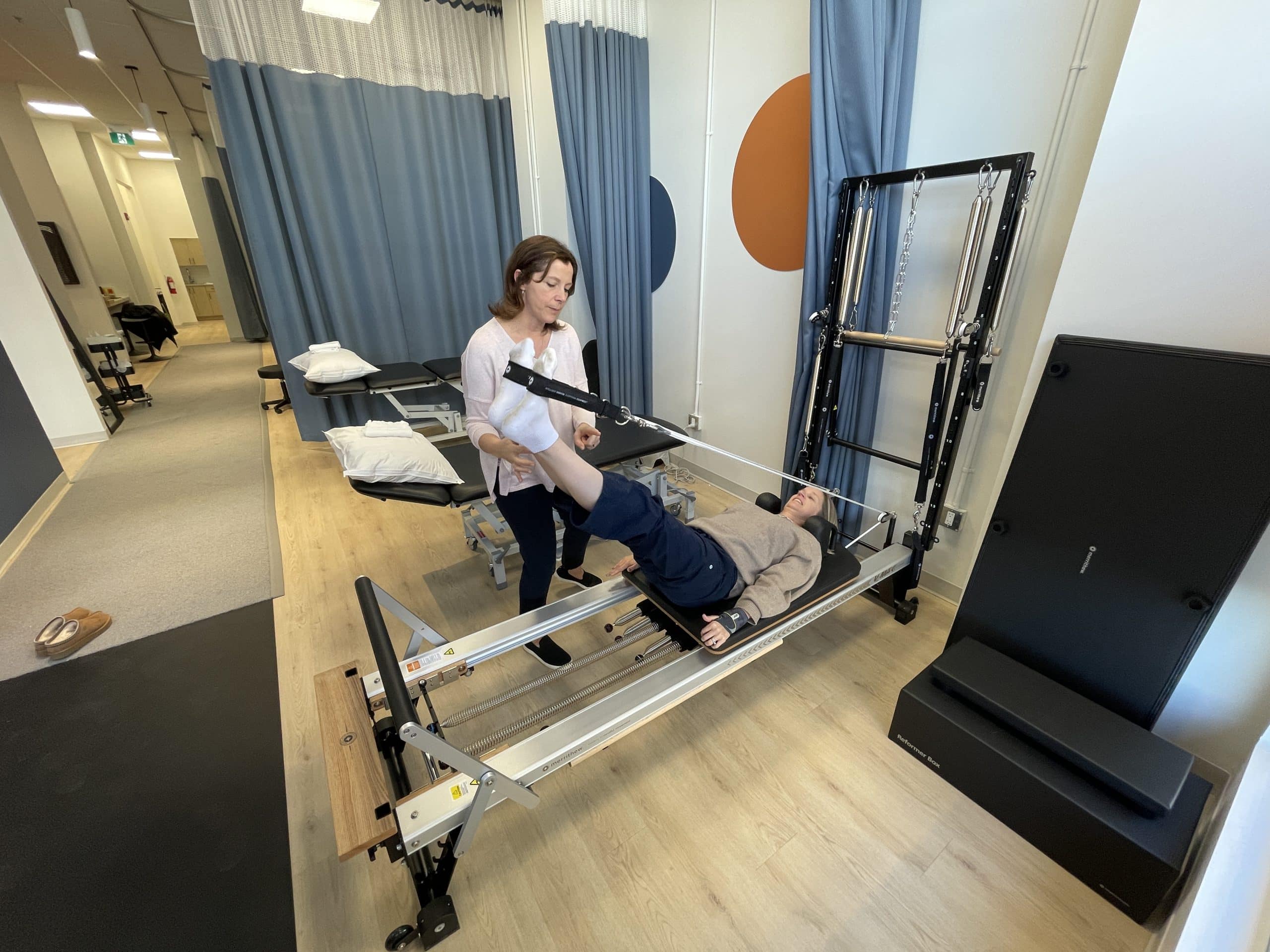
  • Reformer Pilates: Uses a sliding carriage, springs, and straps to add resistance or support. Intermediate Pilates reformer exercises can be adjusted to make movements easier or more challenging which may be helpful during injury recovery or Pilates rehab.

Both types of Pilates sessions can be valuable; the best choice depends on your comfort level, mobility, and goals. In many clinical Pilates reformer classes, we gradually progress from basic control to more dynamic strength and balance work as you improve.

What Does Pilates Do to the Body?

From a simple anatomy perspective, the specific anatomy affected by a Pilates workout often includes the deep core muscles, spine stabilizers, hip and shoulder muscles, and postural stabilizers around the neck and upper back. Strength and Pilates-based training may help these muscles support your joints more effectively. This can contribute to more efficient and less painful movement over time.2,3


Exercise therapy in general can play a role in easing pain and improving function for conditions like osteoarthritis, although effects may be small and vary from person to person.2 When these exercises are thoughtfully tailored, Pilates may be one way to gently load joints, build control, and support long-term mobility.

Can Clinical Pilates Help With Pain and Injury Recovery?

Many patients ask, “Can Pilates help with pain?” While every situation is unique, exercise-based approaches are often included in care plans for joint-related issues and patellofemoral (kneecap) pain.2,3 Pilates-style strengthening and control exercises may complement these strategies by helping you move with better alignment, coordination, and muscle balance.

A woman performs therapeutic Pilates lying on her back on a reformer.

When combined with hands-on care and education, Pilates rehab provides a structured, low-impact way to stay active during recovery.

At Strive Physiotherapy, we may incorporate Pilates into treatment plans for:

  • Sports injury rehabilitation
  • Chronic or recurrent back and neck discomfort
  • Osteoarthritis and other joint concerns2
  • MVA injury and post-accident recovery
  • Pre- and post-surgery strength and control

Is It Better to Go to an In-Person Pilates Session?

Online videos can be a helpful starting point, but in-person physiotherapist-led Pilates may offer important advantages, especially if you are dealing with pain, injury, or complex movement issues.

  • Real-time feedback: Our team can help you adjust your posture and muscle activation to reduce strain and improve effectiveness.
  • Safety: We monitor for signs of Pilates injury or flare-ups and adjust exercises quickly if something does not feel right.3
  • Progression: As your strength and control improve, we can safely progress you from beginner Pilates classes to more challenging exercises, whether on the mat or reformer.

For many patients, especially those using Pilates rehab after surgery or a major injury, this guided, in-person approach may feel more reassuring and manageable than trying to figure things out alone at home.

Our Approach to Pilates Therapy in Calgary

At Strive Physiotherapy, our experienced professionals bring together manual therapy, individualized home programs, and clinical Pilates to create a plan that fits you. We begin with a one-on-one assessment to understand your history, current symptoms, and goals. From there, we may recommend individual treatment sessions focused on Pilates, strength, and mobility.

In some cases, we may also recommend complementary services such as massage therapy or other exercise-based care if this aligns with your goals.2,3

FAQs About Pilates at Strive Physiotherapy

Is clinical Pilates suitable for beginners with pain?

Yes, we regularly work with people who are new to exercise or nervous about moving because of pain. Clinical Pilates for beginners is paced carefully, with close supervision and modifications to respect your current comfort and abilities.2,3

Can Pilates be part of rehab after a knee or shoulder issue?

Pilates-style exercises are often integrated into rehabilitation plans for sore muscles and joints, focusing on alignment, strength, and movement control.2,3

How quickly will I notice benefits when doing Pilates?

Some people feel improvements in body awareness and posture within a few sessions, while changes in strength, control, and day-to-day comfort usually build gradually over time.

Is clinical Pilates safe if I have arthritis?

Gentle, well-guided exercise can be part of many arthritis management plans, and Pilates may be one way to work on strength and movement with lower impact.2 We adjust the intensity, range of motion, and positions to match your joints’ tolerance and your comfort level.

What should I wear and bring to a Pilates session?

We usually recommend comfortable, stretchy clothing you can move in easily, and socks or bare feet. If you have imaging reports or previous treatment notes, feel free to bring them, but they are not required for us to get started.

Book a Clinical Pilates Assessment at Strive Physiotherapy

If you are wondering whether Pilates could fit into your recovery or wellness plan, our Calgary team would be happy to guide you. Book an Appointment to get started with a personalized assessment and explore whether clinical Pilates is right for you.

Strive Physiotherapy Main Site

References

  1. Karasuyama M, et al. Exercise for multidirectional instability of the shoulder. Cochrane Database Syst Rev. 2026. doi:10.1002/14651858.CD015450.pub2
  2. Schleimer T, et al. Effectiveness of exercise therapy for osteoarthritis: an overview of systematic reviews and randomised controlled trials. RMD Open. 2026. doi:10.1136/rmdopen-2025-006275
  3. Hart HF, et al. Bridging Gaps in Delivering High-Value Treatment for Patellofemoral Pain: A Systematic Evidence and Gap Map of Interventions for Patellofemoral Pain. J Orthop Sports Phys Ther. 2026. doi:10.2519/jospt.2026.13511

In Canada, arthritis is a widespread condition that can bring daily difficulties such as joint pain, stiffness, and reduced mobility. At Strive, our team provides physiotherapy for arthritis in Calgary to give people the chance to explore safe movement, develop useful strategies, and find ways to stay active. Since arthritis affects each person in unique ways, working with a therapist can also help identify options that support mobility and fit into everyday life.

Understanding Arthritis 

Arthritis is not a single illness but a term that covers more than 100 conditions affecting the joints. The two most common are osteoarthritis, where cartilage wears down over time, and rheumatoid arthritis, an autoimmune disorder that inflames the joint lining. 

For many, arthritis leads to: 

  • Joint pain and swelling 
  • Morning stiffness or stiffness after rest 
  • Decreased range of motion 
  • Fatigue and reduced activity levels 

The Arthritis Society of Canada reports that close to six million people across the country are living with arthritis. This makes it one of the leading contributors to disability in Canada. Statistics like these point to the value of supportive care options such as physiotherapy for arthritis, which can help reduce obstacles to movement and encourage people to stay as independent as possible (Arthritis Society Canada, 2025).

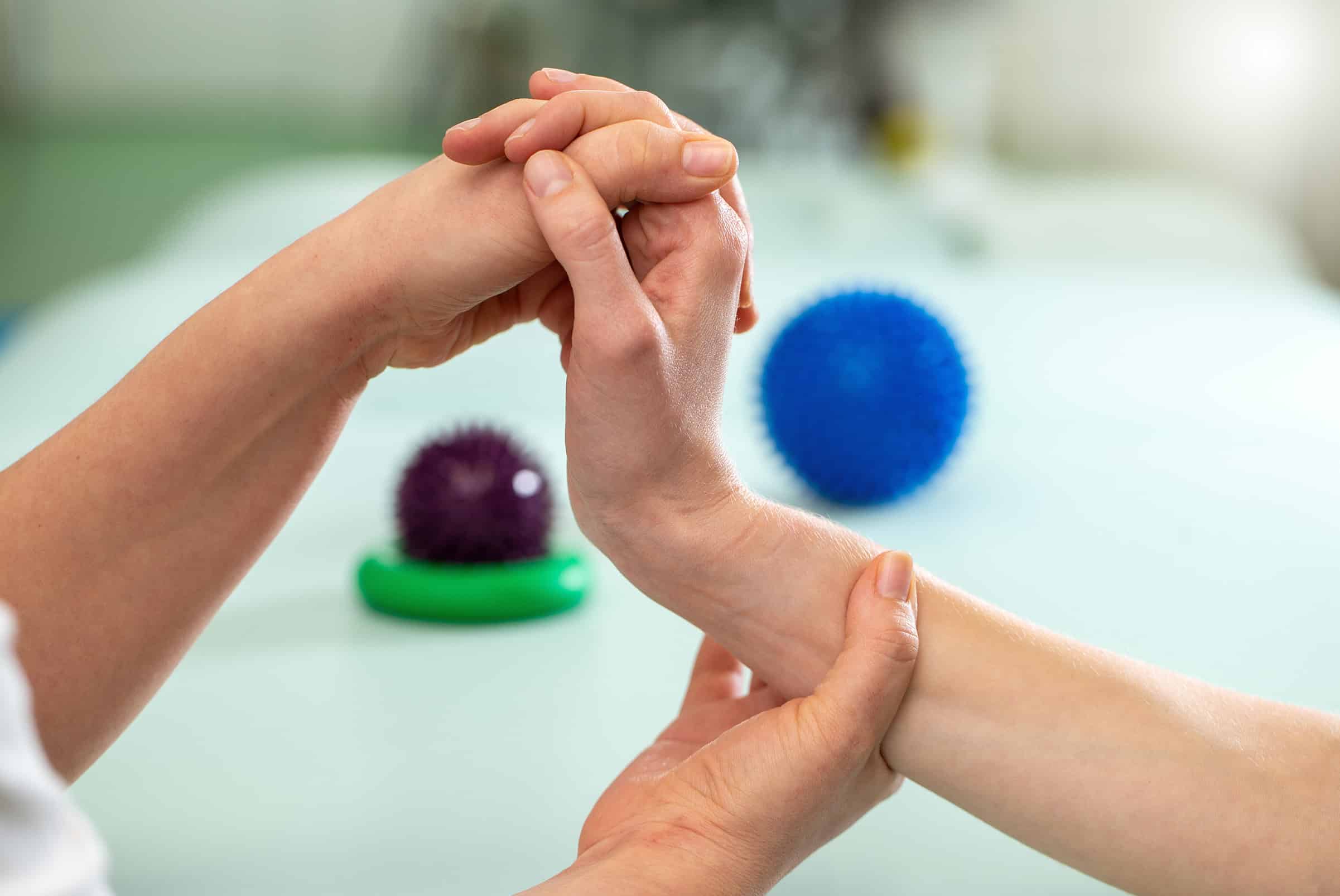
Close-up of hand and wrist treatment during physiotherapy for arthritis in Calgary

How Physiotherapy for Arthritis Helps 

Physiotherapy is a non-invasive treatment that focuses on education, movement, and supportive care. At Strive, our physiotherapy services are adapted to each person’s needs and may include: 

  • Gentle manual techniques that may be used to address stiffness 
  • Exercise therapy aimed at building muscle support around affected joints 
  • Education on activity pacing and posture for daily routines 
  • Strategies and guidance that can be applied to make everyday tasks feel more comfortable 

This type of care plays an important role in arthritis pain management, helping people adapt to their routines and maintain a healthier level of activity.

Benefits of Physiotherapy for Arthritis in Calgary 

When you come to Strive for care, your therapist will design a plan that reflects your unique situation and goals. Some of the areas that may be addressed include: 

Supporting Pain and Discomfort 

Through guided movement and supportive techniques, therapists may help reduce tension around joints, allowing for more comfortable activity. 

Improving Flexibility and Mobility 

Arthritis often leads to stiffness, especially after periods of rest. Structured programs focus on helping to restore movement through stretching, mobility drills, and gentle range-of-motion work. 

Building Strength for Stability 

Muscles provide important support for arthritic joints. A plan may include strengthening exercises to stabilize the hips, knees, shoulders, or spine, reducing the load placed on affected areas. 

Encouraging Daily Function 

From walking and carrying groceries to climbing stairs, arthritis can affect even small tasks. Therapists can suggest adjustments that make daily routines easier and safer. 

By focusing on these areas, physiotherapy for arthritis in Calgary offers an adaptable approach that considers both short-term comfort and long-term mobility.

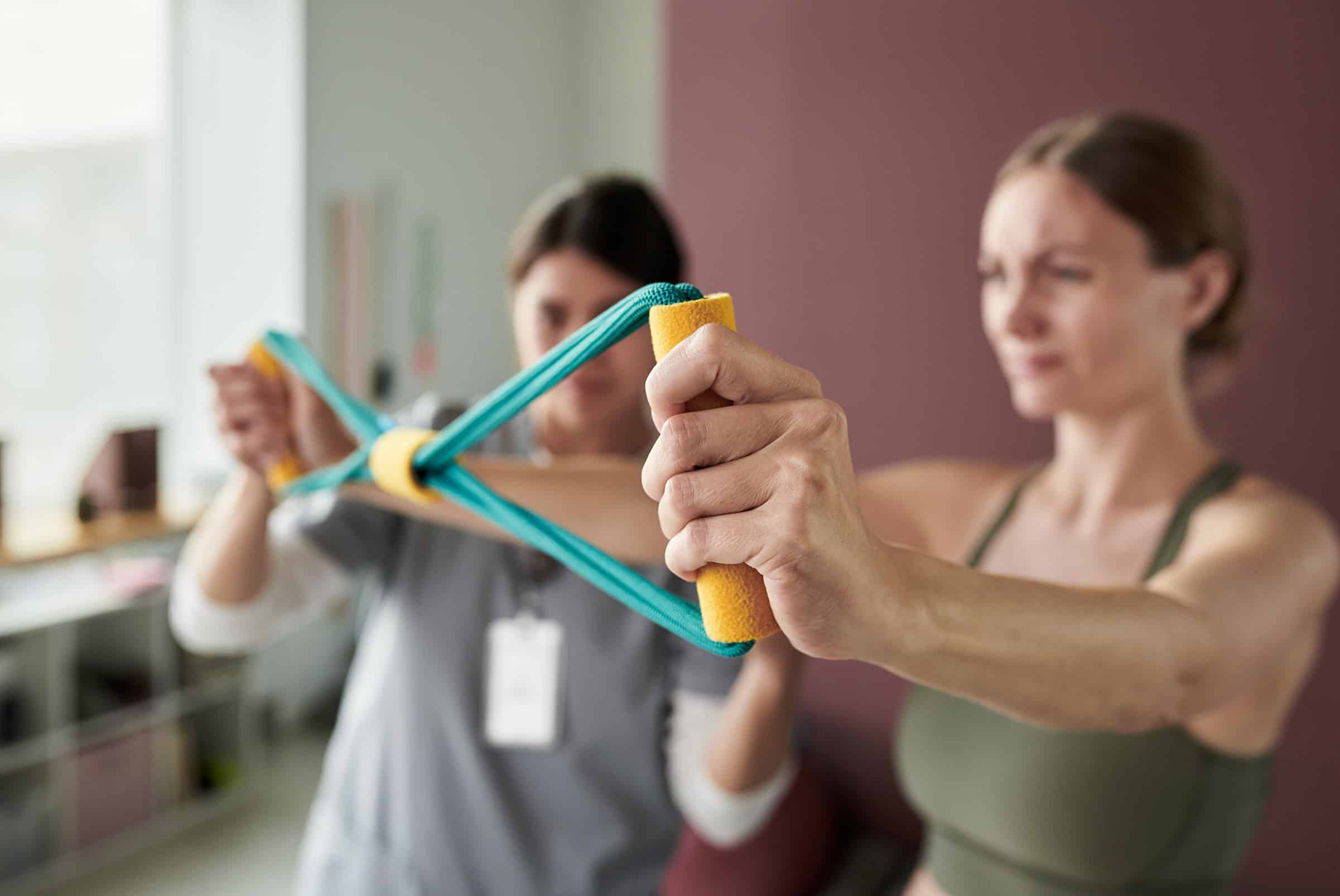
Patient using resistance bands under therapist guidance during physiotherapy for arthritis in Calgary

Exercise for Arthritis Relief 

Exercise is often one of the most effective tools for managing arthritis. Research shows that staying active supports joint health, improves flexibility, and builds resilience (Bartlett, 2025). 

Some options to consider include: 

  • Range-of-motion exercises such as wrist circles or knee extensions 
  • Gentle stretching to help maintain flexibility in the hips, shoulders, and back 
  • Strength training with light weights or resistance bands 
  • Low-impact aerobic activities like swimming, walking, or cycling 

At Strive, your therapist may design a personalized exercise plan so you can safely explore exercise for arthritis relief both in the clinic and at home.

A Whole-Body Approach 

Managing arthritis often benefits from a team-based perspective. At Strive, physiotherapists work alongside providers of massage therapy and exercise therapy to create well-rounded treatment plans. Combining different therapies can support pain management, mobility, and overall well-being in a coordinated way. 

For individuals interested in physiotherapy for arthritis in Calgary, this integrated model also makes it easier to access complementary approaches under one roof, with care adapted to personal needs.

FAQ 

Can physiotherapy cure arthritis? 

No, physiotherapy cannot cure arthritis. It may, however, provide strategies to manage symptoms, support mobility, and help maintain activity levels. 

How often should I see a physiotherapist? 

Frequency depends on your condition and goals. Some people may benefit from weekly sessions at first, followed by less frequent visits as they establish a routine. 

Is exercise safe if I have arthritis? 

Yes. When movements are chosen and adapted appropriately, exercise is considered safe and beneficial. A Strive therapist can recommend activities that fit your condition. 

Do I need a referral to start? 

No doctor’s referral is needed. You can book an appointment directly.

Take the Next Step 

Arthritis can create barriers, but it does not have to define your daily life. Book your physiotherapy appointment in Calgary today and explore approaches that may help you manage stiffness, reduce discomfort, and move with greater confidence. 

References 

Arthritis Society Canada. (2025). Arthritis Facts and Figures. https://arthritis.ca/about-arthritis/what-is-arthritis/arthritis-facts-and-figures 

Susan Bartlett, Ph.D. (2025). Johns Hopkins Arthritis Center. Role of Exercise in Arthritis Management. https://www.hopkinsarthritis.org/patient-corner/disease-management/role-of-exercise-in-arthritis-management/ 

Feeling stiff after a long day on your feet? Or maybe you’ve been holding tension in your lower back or legs? Whether you’re managing the demands of daily life, returning to a sport, or trying to stay mobile as you age, physiotherapy in Northwest Calgary at Strive Physiotherapy offers a tailored, evidence-based approach to help you move and feel your best. 

Movement Is Medicine

Physiotherapy isn’t just for injuries. It’s also one of the best ways to help maintain mobility, prevent discomfort, and support your overall wellness. Research consistently supports exercise-based physiotherapy as a first-line treatment for musculoskeletal issues like back pain, joint tightness, and mobility restrictions. According to Shipton (2018), physical therapy approaches, particularly those that incorporate strengthening and stretching exercises, play a crucial role in reducing long-term disability and enhancing daily function. 

At Strive Physiotherapy, our goal is to help you feel strong, capable, and supported. That’s why we recommend simple, consistent routines to keep your body in motion, even after a long day. 

Watch: 4 Stretches to Do After a Long Day 

We recently put together a new video featuring four easy stretches you can do at home. They’re perfect for winding down after work, releasing tension after a long walk, or recovering from activity. These moves help improve circulation, flexibility, and overall recovery. 

Watch the video on YouTube here

Here’s a breakdown of what you’ll see in the video: 

1. Single Leg Raise

Stand tall and shift your weight onto one foot. Extend the opposite leg straight in front of you and lift it about 6 inches to 1 foot off the ground, keeping your core engaged. Lower it slowly and repeat before switching sides. This stretch activates your hip flexors and core while improving balance and stability.

2. Standing Heel Raises

Stand with your feet hip-width apart. Slowly rise up onto your toes, pause, then lower back down. This stretch supports your calves and ankles, which are key for stability and movement.

3. Good Morning Stretch

Stand with feet shoulder-width apart. With hands behind your head or crossed over your chest, hinge at the hips and bow forward, keeping your back straight. Return to standing. This stretch targets your hamstrings and lower back.

4. Walking Lunges

Take a step forward with one foot, lower your body into a lunge, then step forward with the other foot and repeat. This dynamic stretch improves mobility in your hips, knees, and ankles.

Add these stretches to your evening or morning routine to help improve flexibility and reduce stiffness, especially if your job or lifestyle involves prolonged periods of sitting or standing. 

Other Ways Physiotherapy in Northwest Calgary Can Help 

At Strive Physiotherapy in Northwest Calgary, our treatments go beyond stretching. We combine manual therapy, guided movement, and personalized education to help you achieve your goals and support long-term results.  

Here’s how we help you stay active in every season: 

  • Support injury recovery and prevent re-injury 
  • Build strength, balance, and coordination 
  • Improve posture and reduce daily tension 
  • Offer strategies for managing chronic conditions like arthritis or back discomfort 

Other Ways Physiotherapy in Northwest Calgary Can HelpOther Ways Physiotherapy in Northwest Calgary Can HelpOther Ways Physiotherapy in Northwest Calgary Can HelpOther Ways Physiotherapy in Northwest Calgary Can HelpOther-Ways-Physiotherapy-in-Northwest-Calgary-Can-Help

Looking for more tips? Check out our other blog posts: 

Ready to Feel Your Best? 

If you want a personalized plan to stay active, manage discomfort, and build strength, book your appointment at Strive Physiotherapy in Northwest Calgary today. Our team is here to support your movement goals every step of the way.  

Book Now

Reference 


Hanson Ranch Plaza

Centre Street